
About Ngāi Tai Tāmaki
Our Story
Ngāi Tai Tāmaki Origins
Tapuwae o Nuku
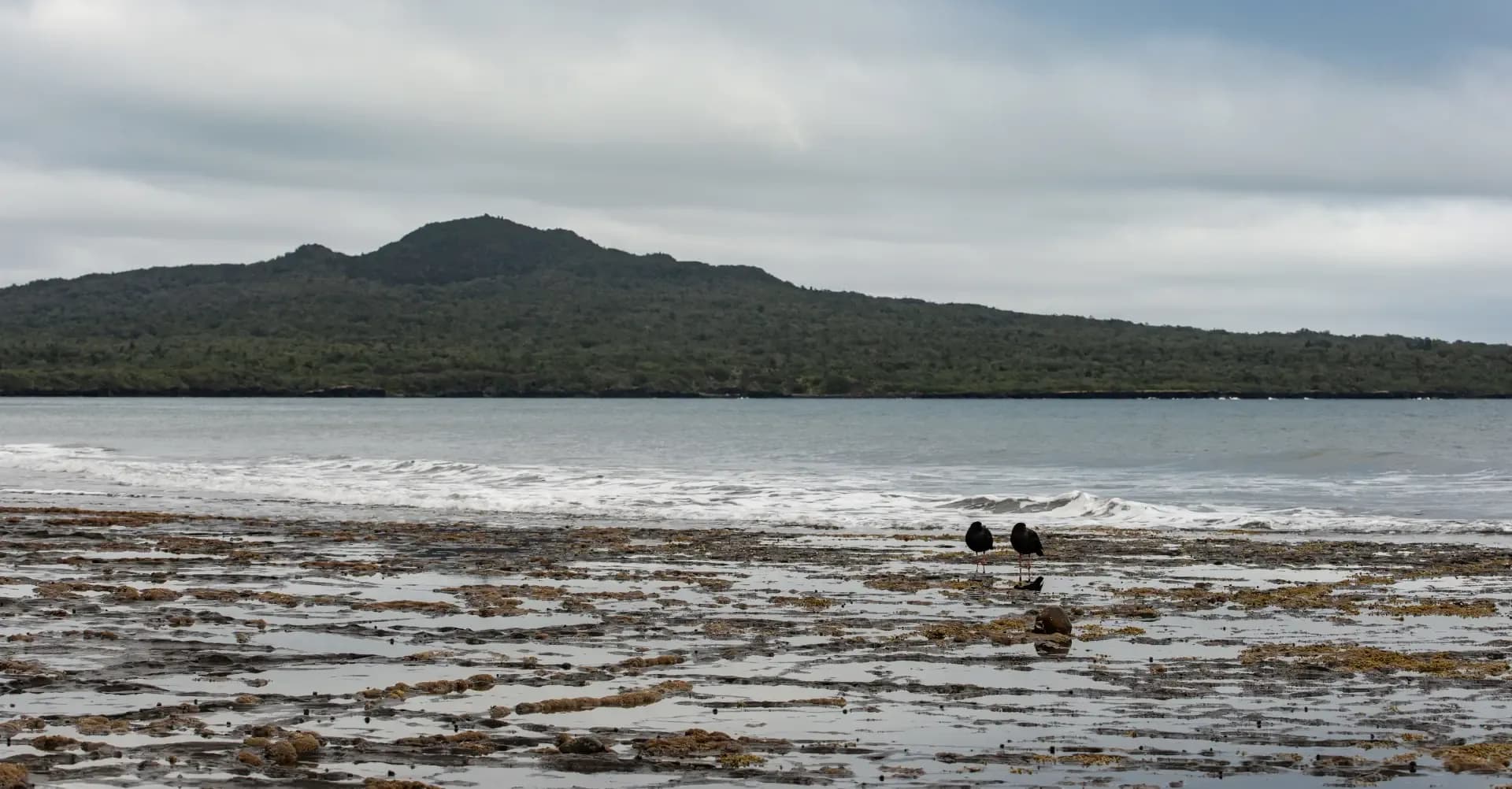
Ngāi Tai have a long unbroken genealogy and occupation of their lands, waters and seas extending from the aboriginal inhabitants, pre-dating Kupe, Toi Te Huatahi and the great migration. Although our whakapapa best describes our hononga to the whenua, we have a tino taonga of Ngāi Tai which is a tohu (symbol) currently residing in the Auckland Museum - being a fossil human footprint dating from the founding eruption of Te Rangi-i-totongia-ai-te-Ihu-o-Tamatekapua (Rangitoto) over 600 years ago. This footprint was discovered on Te Motutapu-o-Taikehu, a place long held sacred to Ngāi Tai for their many wāhi tapu and association with Tupua of the motu (islands).
Tapuwae Ariki
Smaller footprints remind us of the many descendants and mokopuna, who have crossed this region over that long period of time. Larger footprints remind us of our high-born chiefly lines (Ariki) and ancestors. These remind us of how important those leaders were and their value as navigators through our history.
Tapuwae o Tai
Our tribal name Ngāi Tai, resounds as the story of a maritime people unencumbered by any normal sense of boundaries. Where our vision was only limited by our imagination, it was the same vision, honed by thousands of years of exploration, facing the challenge of navigating the world’s greatest ocean for survival. These descendants of Māui today carry his DNA and values into the new world of Ngāi Tai, true inheritors and worthy recipients of a boundless legacy left by the ancients and their numerous descendants.
Ka hoki ngā mahara ki a rātou mā, ngā uri a Māui-pōtiki i tapaina nei ki te motu. Tēnā ko ngā tūpuna o Ngāi Tai i waiho toitū te mauri o neherā.
Our Rohe
By the eighteenth century, Ngāi Tai had interests from Te Wai-o-Tāiki (Tāmaki River), eastwards beyond the Wairoa River, and inland to Te Ngaherehere-o-Kohukohunui (Hūnua Ranges). Interests included the Tāmaki tōwaka (portage) at Ōtāhuhu and the inner Gulf Islands of Rangitoto, Te Motutapu-a-Taikehu, Te Motu-a-Ihenga (Motuihe), Motukōrea, south and eastern parts of Te Motu Ārai-roa (Waiheke), and the islands to the east and south-east of Waiheke Island: Te Pounui-a-Peretū (Ponui), Taratoroa (Rotoroa), Pakatoa, Pākihi, and Kāramuramu. Southeast of the Wairoa River, Ngāi Tai and adjoining hapū had interests in lands between Mātaitai and Kawakawa Bay, and from Ōrere to Pūkorokoro.
The Hūnua Ranges housed bird catching grounds, rat runs, waterways full of fat tuna and kōura, and rongoā Māori (traditional medicines). The forest served as a wāhi tapu, with trees containing the bones of ancestors, burial caves, and sacred teaching sites marked by seventy Pou Whenua. It was also the home of an ancient hāhi (spiritual belief) known as Tāhere Manu, focused on bird-lore.
Ngāi Tai also had interests on the isthmus west of the Tāmaki River at Taurere (Glendowie), Te Tauoma (Panmure), Maungarei (Mount Wellington) and Maungawhau (MountEden), and from Takapuna on the North Shore as far north as Whangaparāoa, Tiritirimatangi, Mahurangi and Te Arai. South of the Manukau Harbour, Ngāi Tai interests extended from Whātāpaka, Te Karaka and Papakura to Te Awanui-o-Taikehu and Tirikōhua near Tuakau. Hapū of Ngāi Tai maintained a long-standing presence on Aotea and parts of the Hauraki Peninsula, particularly from Moehau in the north to Whangapoua and Waiau, and in the southeast between Whangamatā and Te Ranga-a-Taikehu, near Katikati.
Ngāi Tai ki Tāmaki Marae
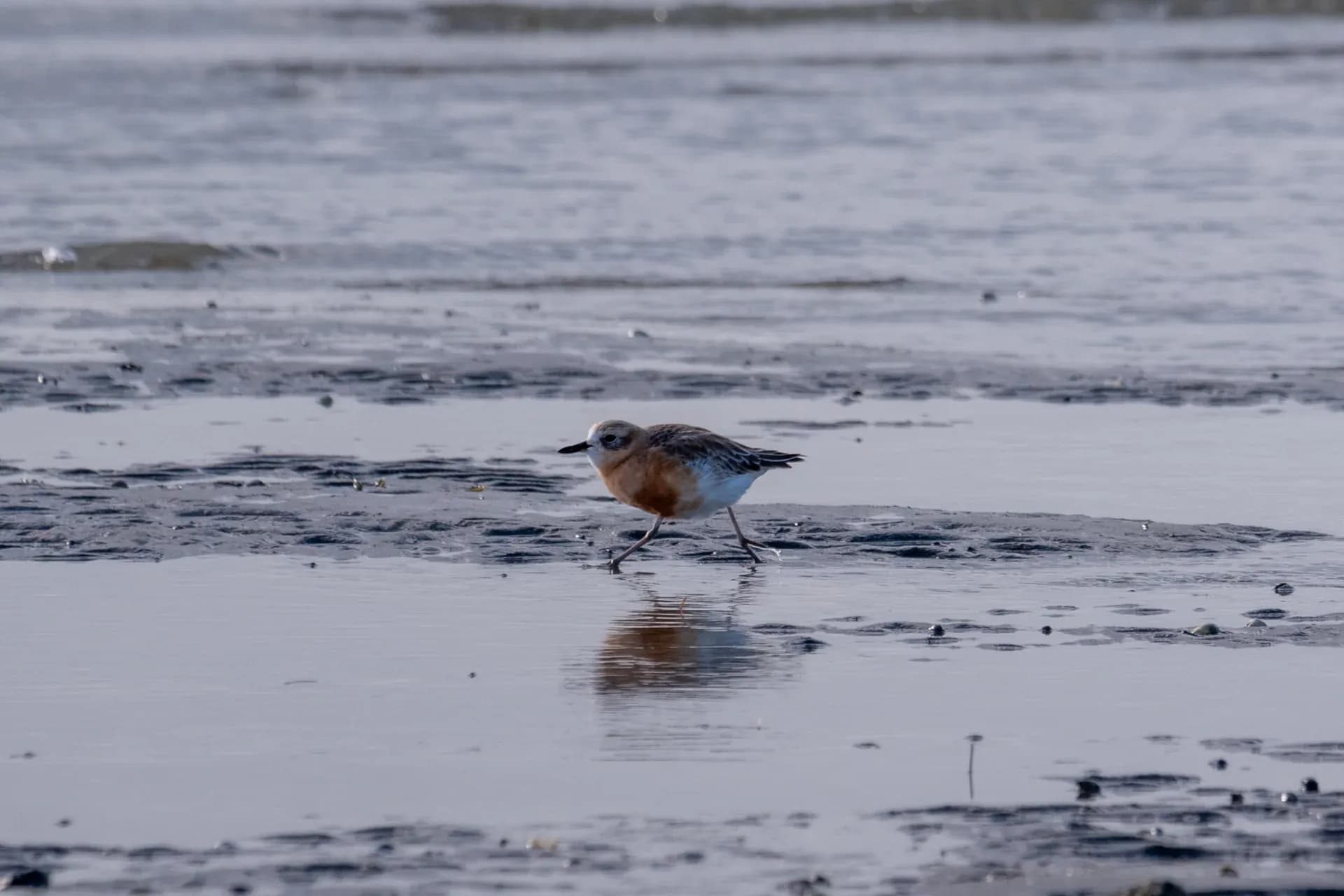
Mataitai
we have various marae connections across Mātaitai, Whataapaka and beyond. The Iwi has whakapapa and other relationships with Iwi in the Tāmaki Makaurau and Hauraki regions.
Learn More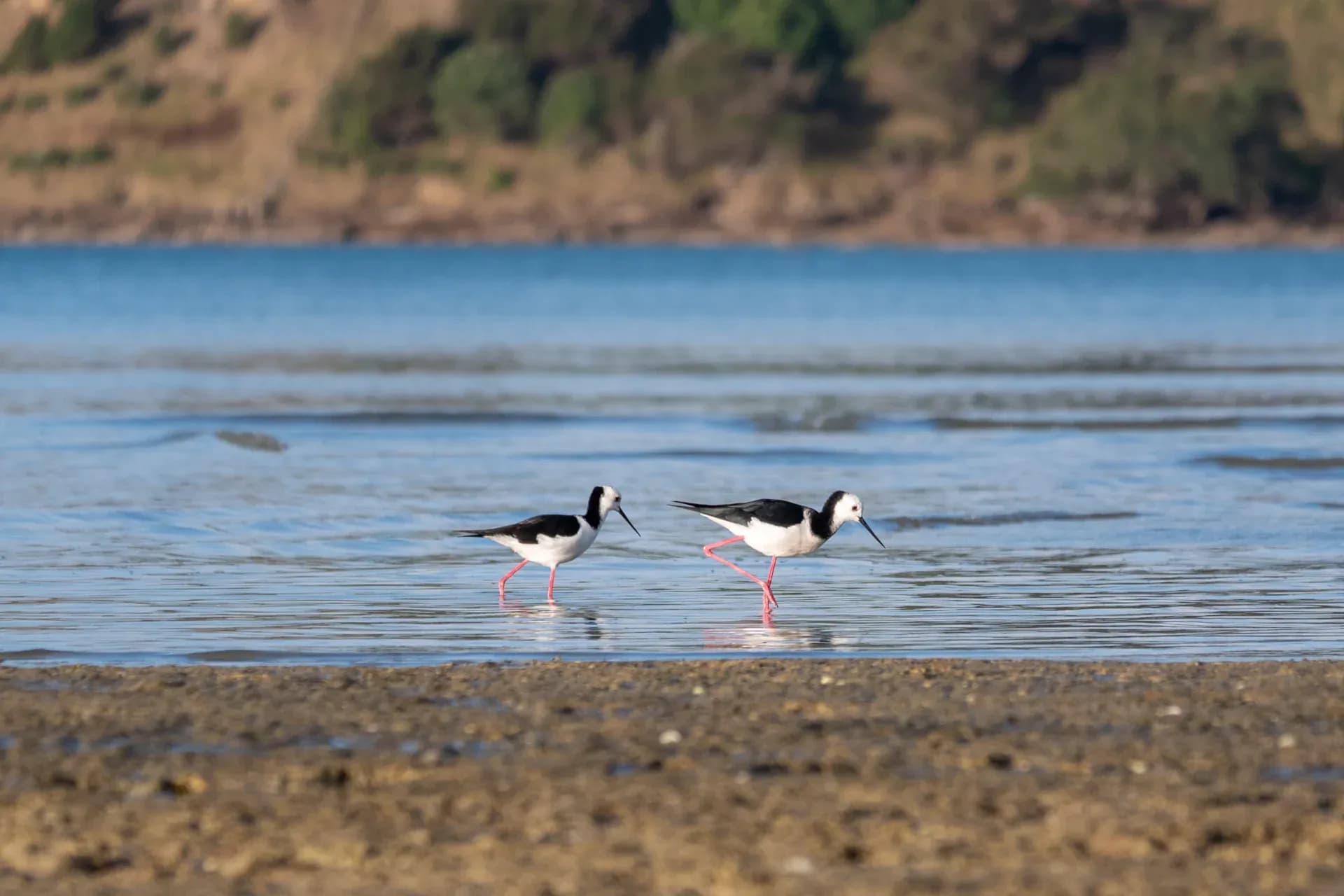
Whatapaka
we have various marae connections across Mātaitai, Whataapaka and beyond. The Iwi has whakapapa and other relationships with Iwi in the Tāmaki Makaurau and Hauraki regions.
Learn More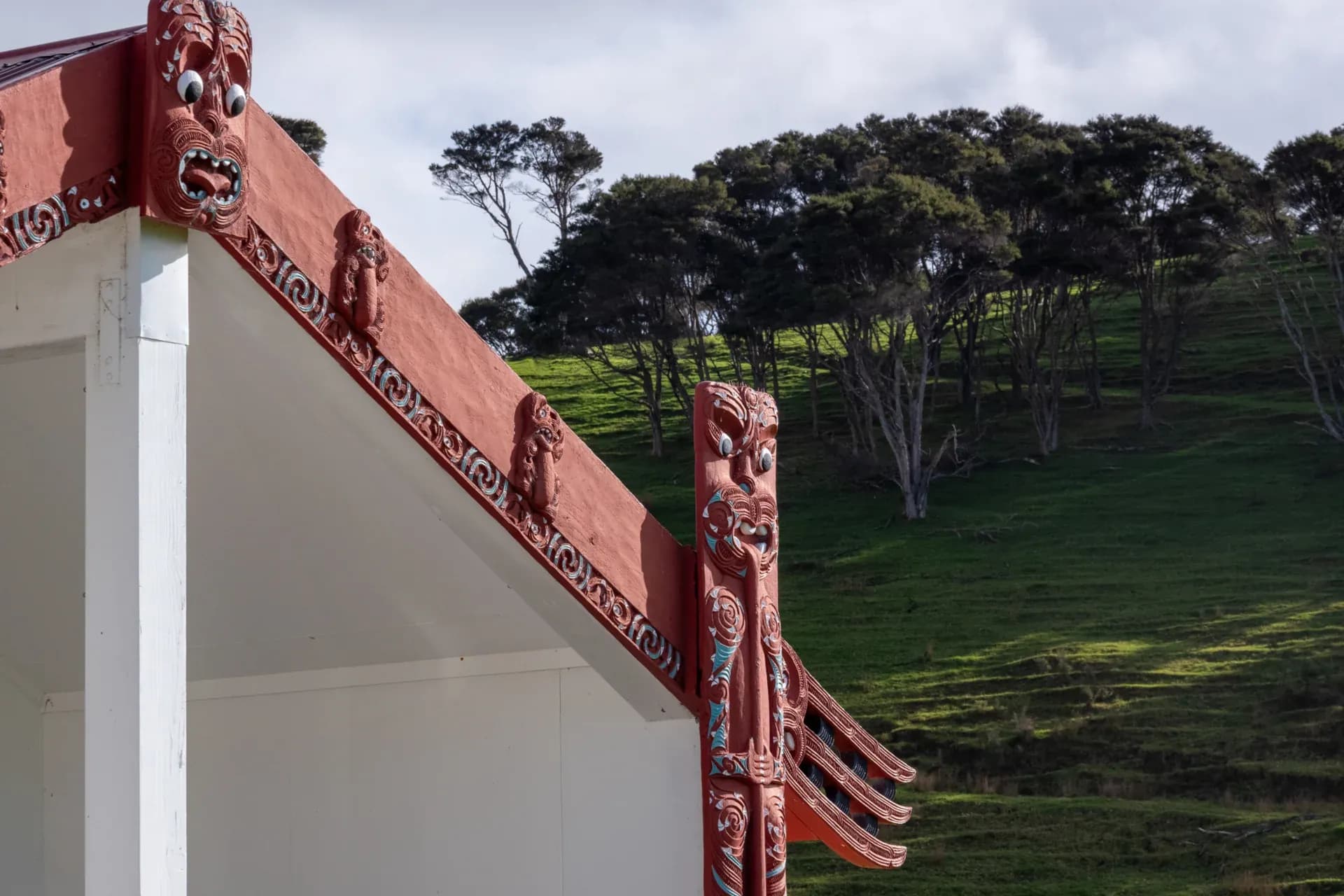
Umupuia Marae
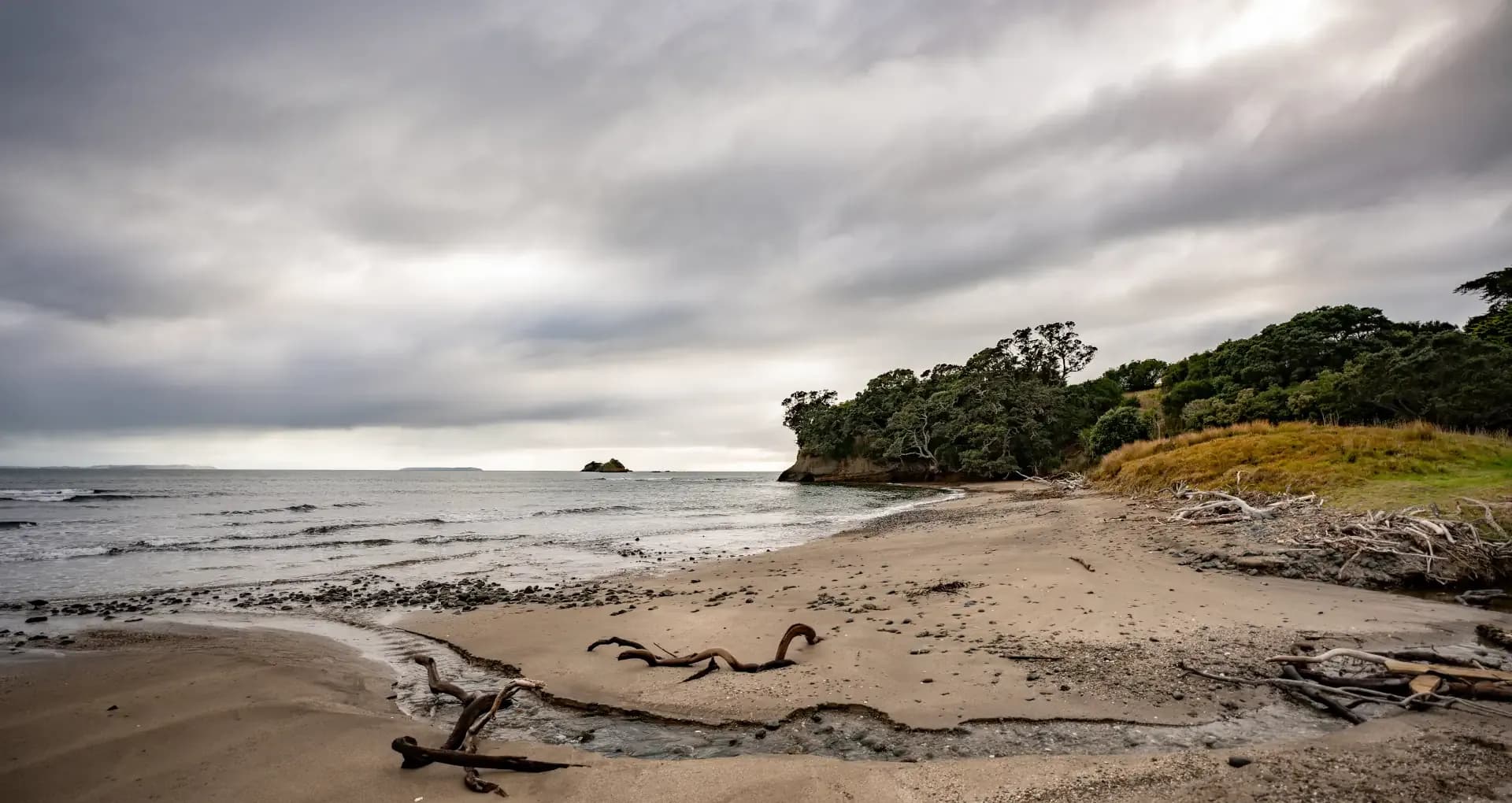
Ngāi Tai ki Tāmaki are the original inhabitants and Iwi of Tāmaki Makaurau. The Iwi is based in Maraetai, Te Waitematā and Tikapa Moana, and exercises mana whenua and mana moana interests across Auckland and the Hauraki Gulf. Our main marae is Umupuia at Maraetai,
Learn More